What Can Global Retailers Learn from China's New Retail Wave?
From fresh snack stores to 'bulk Sam's Club' branding, China's new retail wave is rewriting the rulebook. What can overseas supermarket owners actually learn?
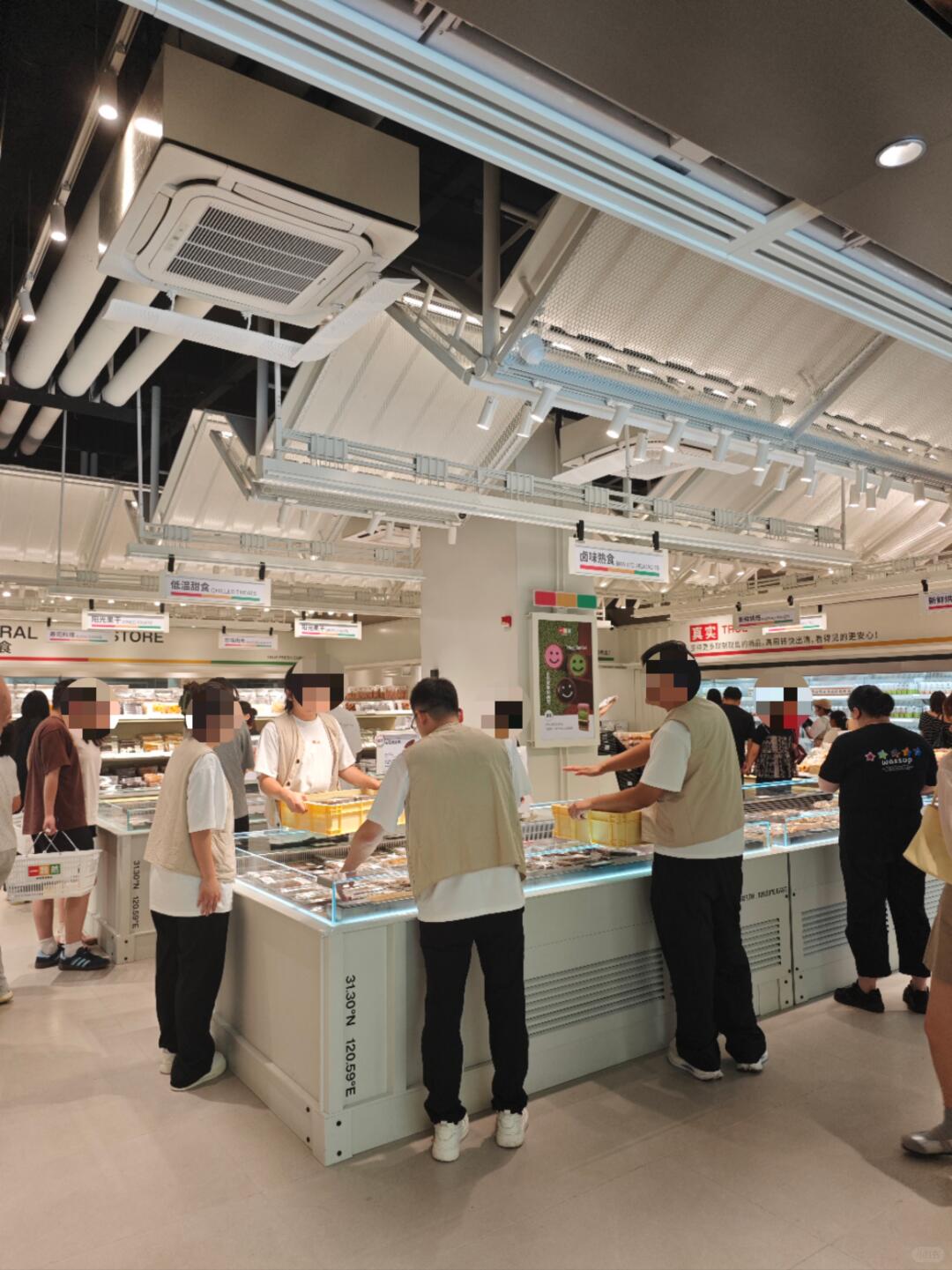
Walk down any Chinese shopping street in 2026, and you'll see something surprising: a small store that looks like a bakery, a deli, and a snack shop all rolled into one. There's no shopping list — people walk in, grab a bag, fill it with fresh-roasted nuts, dried fruit, and made-on-the-spot treats, and walk out. The line wraps around the block.
This is China's fresh snack store boom. And behind it is a deeper shift that every overseas retailer should pay attention to.
Why Are Fresh Snack Stores Exploding in China?
It looks like a snack trend. It's actually a retail efficiency experiment.
Traditional snack shops sell packaged, shelf-stable food from big brands — low margin, heavy competition, e-commerce destroys prices. Fresh snack stores flip the model:
- Freshness as the moat: Nuts roasted in-store, fruit dried daily, snacks made on-site. You can't get this on Taobao.
- Bulk = higher margin: Customers serve themselves by weight. No packaging costs, no brand markup, and you control the supply chain.
- Small footprint, high turnover: 80–150 sqm stores, usually in high-footfall malls. Inventory turns every few days.
- Addictive shopping experience: You smell the roasted nuts before you see the store. You taste samples. You walk out with more than you planned.
Case Study: Jinlimen — From a Chestnut Stand to "Bulk Sam's Club"
The standout example is Jinlimen (KINGLOMO), a chain that started as a chestnut stall in Changsha and now has queues out the door. What did they do right?
1. They didn't sell snacks — they sold a feeling
Jinlimen's brand identity is a stripped-down red-and-white system, deliberately echoing Sam's Club and Costco warehouse aesthetics. The name "KINGLOMO" sounds international. The bags, the labels, the storefront — everything signals "premium bulk, trustworthy quality". Customers feel like they're shopping at a members-only club, but without the membership fee.
2. Freshness theater
The roasting machines are right out on the floor. The chestnuts, the nuts, the dried fruit are all visible. Customers watch their food being made. This isn't decoration — it's the entire value proposition.
3. Curated, not endless
Unlike a traditional supermarket with 40 SKUs of nuts, Jinlimen offers 30–50 carefully selected items. Less choice, faster decision, higher turnover. They test and cut constantly.
3 Lessons for Overseas Retailers
Lesson 1: Freshness beats selection
American and European supermarkets try to win by carrying more SKUs. China's new winners win by being fresh. A small, fresh, made-on-site section in your store will outperform a giant shelf of packaged goods — and at a much higher margin.
Lesson 2: Your brand can be built on packaging
Jinlimen is just bulk nuts in bags. But the packaging, the logo, the store design make it feel premium. You don't need a new product — you need a new perception. This is where design pays for itself.
Lesson 3: Small format, high frequency beats big box
The future isn't bigger supermarkets. It's smaller, focused, frequent-visit formats — fresh food halls, snack corners, bakery bars. China is testing these formats at machine speed. You can learn from what works without paying the trial cost.
What This Means for Your Next Store
If you're opening or renovating a supermarket overseas, you don't need to copy Chinese stores literally. But you should:
- Add a fresh, made-on-the-spot section (bakery, roasted nuts, fresh noodles)
- Design your bulk/packaging area as a branded destination, not a back shelf
- Think smaller format for your next location — 200–500 sqm fresh-food-led stores
At ChinaRetailDesign, we study these Chinese formats, then adapt them to your market — and source the equipment and fixtures from vetted Chinese factories so you don't pay two middlemen.
Key Takeaway: China's retail revolution isn't about cheap labor or scale. It's about freshness, branding, and format innovation — and these ideas travel. The overseas retailers who adapt fastest will have a 3–5 year window before everyone else catches up.