How Much Does Retail Interior Design Cost in 2026?
Real cost breakdown of retail store interior design in 2026: per-square-meter rates, what's included, and how much you save by sourcing design + fixtures from China.
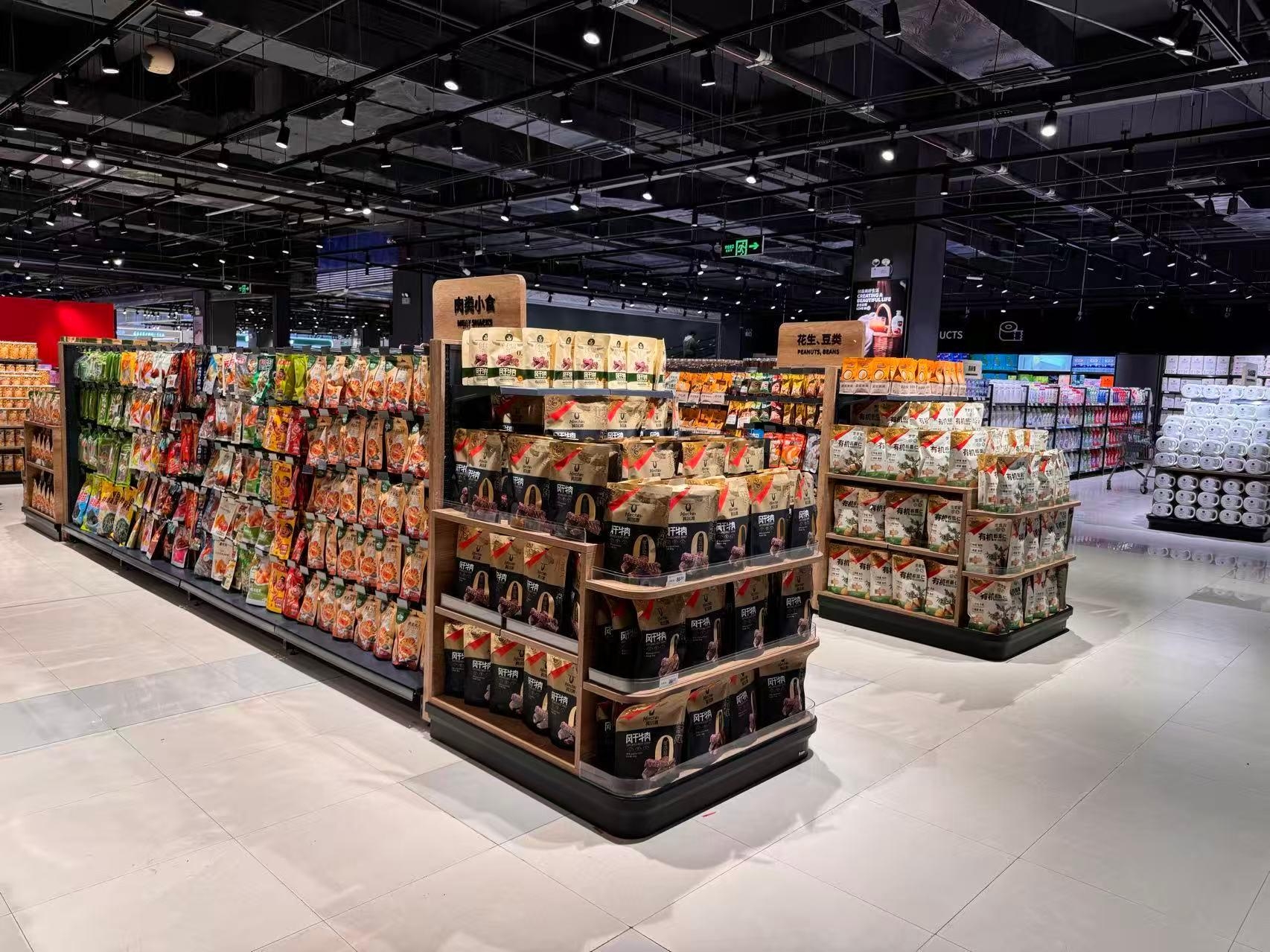
If you're planning a new supermarket, convenience store, or grocery renovation, the first question is always: what will the design actually cost? The short answer: it depends on store size, format, and where you source from — but here's a realistic breakdown.
How much does retail design cost in different markets?
In the US, Europe, or Australia, a retail design firm typically charges:
- $50–$150 per sqm for basic layout + 3D renderings
- $150–$300 per sqm for full-service design (concept, construction drawings, FF&E specs)
- Minimum engagement: $15,000–$50,000 for a small store
For a 1,000 sqm supermarket, that's $50,000–$300,000 just for design fees — before you buy a single shelf.
What's Usually Included?
A professional retail design package should cover:
- Site analysis and customer flow planning
- Floor plan layout (department allocation, gondola spacing, checkout)
- 3D renderings for approval
- Construction drawings and electrical/lighting plans
- Fixture, equipment, and material specifications
How Much Can You Save Working With Us?
At ChinaRetailDesign, we combine design with factory-direct sourcing. Here's the difference:
- Design fee: $20–$50 per sqm (our first-deal promo is $20/sqm)
- Fixtures & equipment: factory-direct, 25–30% cheaper than local suppliers
- One contract, one team: no separate design firm + equipment vendor coordination costs
On a 1,000 sqm store, retailers typically save $30,000–$80,000 on design alone, plus another 25–30% on equipment — often $100,000+ total.
Which hidden costs do people forget?
Budget for these too:
- Permits and inspections (varies by country)
- Shipping & import duties on fixtures from China
- Installation crew on-site
- Contingency: add 10–15% for surprises
Key Takeaway: Design is usually 5–10% of your total store build cost. Sourcing design + fixtures together from China cuts that total by 25–30% compared to using local design firms and local suppliers.