Inside SSG Food Market: What a World-Class Fresh Zone Looks Like
Case study: how Korea's SSG Food Market redesigned its fresh food zones — butcher counters, bakery layout, produce displays, and what overseas supermarket owners can learn from the design.
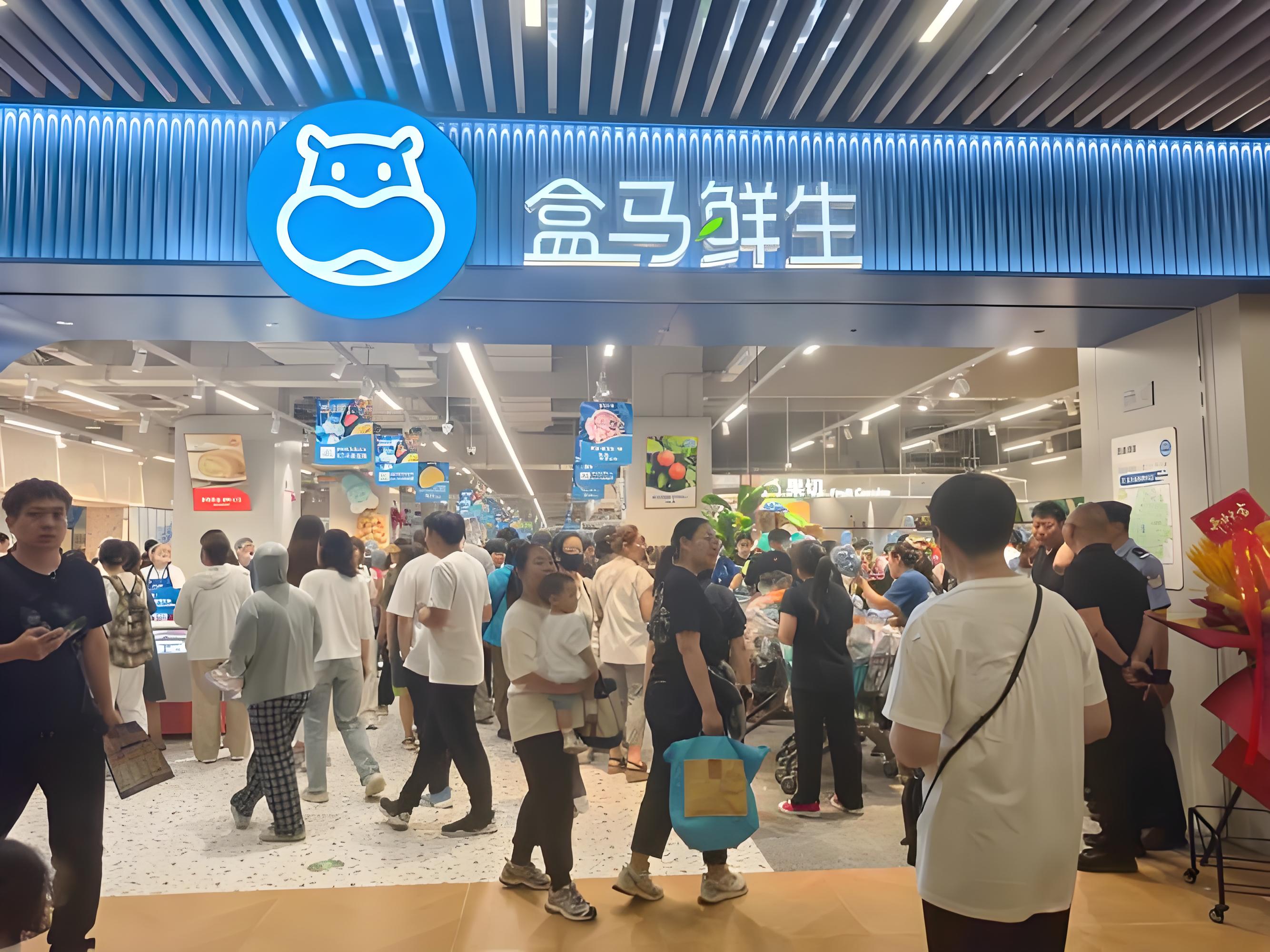
If you want to see what the future of grocery retail looks like, look at Seoul. In the upscale Dogok neighborhood, Emart reopened its Star Super as SSG Food Market — a 1,200 m² supermarket and food hall fusion redesigned by Australian firm Landini Associates. It's not the biggest store in Korea, but it's one of the most studied.
After 30 years in retail design, I go through reference stores like SSG with a specific checklist: what works, what costs money, and what a grocer in Southeast Asia or the Middle East can actually replicate without a Korean budget.
Here's what matters.
1. The Butcher Counter Is No Longer a Back Wall
Traditional supermarkets hide meat at the back of the store behind a glass wall. SSG does the opposite: the butcher counter sits in the middle of the fresh zone, open on three sides, with the cutting table visible to shoppers.
Why this works: Open butchering signals freshness. Customers see the knife, see the staff, see the actual cuts. It builds trust in 3 seconds — something no poster can do.
What it costs to replicate: You don't need a marble counter. A standard open butcher island with a glass sneeze guard, integrated LED strip lighting, and a refrigerated base starts at around $1,800–3,500 per linear meter from Chinese factories. The display case itself is the same unit used in 90% of Chinese fresh supermarkets — the difference is the layout, not the equipment.
2. Produce Is Staged Like a Farmers' Market
SSG doesn't stack fruit on plastic shelves. Produce sits on low wooden tables, in woven baskets, in loose pyramids — the way it looks at a weekend market.
The lesson: Fresh food should feel handled, not warehouse-stacked. Shoppers buy more when the display looks edible.
Practical takeaway: Replace 2–3 gondola ends in your produce section with low wood-veneer display tables. The cost difference vs. standard metal shelving is around 15–20% more per linear meter, but produce sales typically jump 15–25% in the first quarter after the switch. We've seen this repeatedly in our own projects.
3. The Bakery Smells Like Bread Because It's Actually Baking
SSG put the open kitchen — ovens, proofing racks, kneading tables — at the entrance of the food hall. You smell the bread before you see it.
Why this matters: Scent is the most underrated retail tool. An open bakery at the door increases dwell time by 40–60 seconds on average, and that extra time directly converts to impulse purchases.
What you need: A 3–4 meter open bakery counter with a stone-deck oven, a proofing cabinet, and a small kneading station. Chinese factory-direct pricing runs $12,000–18,000 for the full set — roughly 40% less than sourcing through a local equipment dealer.
4. Cold Display Isn't Just White — It's Themed
SSG uses different refrigerated cases for different zones: glass-door chillers for dairy, open horizontal cases for prepared foods, vertical glass cases for beverages. Each case type matches the product category, not the other way around.
The mistake most grocers make: Buying one type of display case for everything. A single glass-door case looks cheap when you see it next to premium prepared food. Match the case to the product — it costs the same, but the perception shifts entirely.
5. The Layout Forces a Slow Walk
SSG's floor plan is not a rectangle. It curves. The fresh zone wraps around the perimeter, the food hall sits in the center, and the aisles bend so you can never see the whole store at once.
Why: If you can see the whole store from the entrance, you know exactly what you came for — and you leave. Curved sightlines make shoppers walk further, discover more, and buy more. This is the single highest-ROI design decision a supermarket owner can make, and it costs nothing extra in construction.
What This Means for Your Store
You don't need a Korean budget to borrow these ideas. The equipment SSG uses — open butcher islands, wood-veneer produce tables, open bakery counters, curved refrigerated displays — is all manufactured in China, and available to overseas buyers at factory-direct prices.
The design thinking is the hard part. The equipment is not.
Key Takeaway: A world-class fresh zone doesn't require premium fixtures — it requires the right layout. Open butcher counters, low produce tables, an open bakery at the door, and curved sightlines. We design these layouts and source every piece of equipment from vetted Chinese factories, cutting your fit-out cost by 25–30% vs. local procurement.